Owner of record label Pirks R Us
Michael Brian Pirker
2.67 million music employees around america music industry looking towards $125,490,000,000 (50% needs, 30% wants, 20% savings) 47,000 a year per employee no more no less Cds 💿 $6,000 investment 1000 cds made total around $25,000 about $14,000 in profit and once a year while still working as scheduled.
Projects
Projects sub heading
-
Powerful sound design: A good drop focuses on detailed sound design, with a heavy, distorted, and sometimes "wobbling" bassline at its core.
Strong rhythmic foundation: The drop features massive kick and snare drums, often with a syncopated beat that keeps the listener engaged.
Anticipation through buildup: The energy is built up before the drop with techniques like risers, high-pass filters, and increasing repetition, making the eventual release feel even more impactful.
Sidechain compression: Heavy sidechain compression is used to lower the volume of other elements when the kick and snare hit, allowing them to cut through the mix with maximum impact.
Dynamic contrast: The drop provides a dramatic shift in energy, with a focus on complex bass sounds often at the expense of melody, creating a distinct, high-intensity section of the track.
Arrangement and variation: Drops are often broken into sections (e.g., 1A, 2A, 1B, 2B) with evolving patterns to keep the listener's attention, as seen in modern dubstep tracks.
-
The process of making a CD album involves creating a master recording, which is then used to manufacture the physical discs through either pressing (for large quantities) or duplication (for smaller runs). The physical CD is made by injecting molten polycarbonate into a mold, coating it with a reflective layer and protective varnish, and then printing the artwork on top. Finally, the discs are assembled into their respective packaging with booklets or inserts. Pre-production and mastering
Pre-production: The album is conceptualized, written, and arranged. This stage also includes planning, assembling the team, and creating a preliminary track list.
Recording: The music is recorded and edited.
Mixing and mastering: The individual tracks are mixed together and then "mastered," a final step that optimizes the sound for CD production and ensures the final audio is at the correct volume and quality.
Manufacturing and replication
Glass mastering: A glass master disc is created with the final audio data etched onto it by a laser.
Electroforming: This glass master is coated with a metal, and a mold (stamper) is created from it. This stamper will be used for mass production.
Injection molding: Molten polycarbonate plastic is injected at high pressure into the stamper to form the shape of a CD.
Metallization: A thin, reflective layer of aluminum is sputtered onto the disc so it can be read by a laser.
Varnishing: A protective layer of varnish is applied over the metal layer to prevent scratches and other damage.
Finishing
Printing: Artwork and information are printed directly onto the CD using offset or silk screen printing.
Quality assurance: Discs are checked for errors and defects, ensuring they meet quality standards.
Packaging: The finished CDs are placed in jewel cases or other packaging, along with any inserts or booklets, before being prepared for distribution.
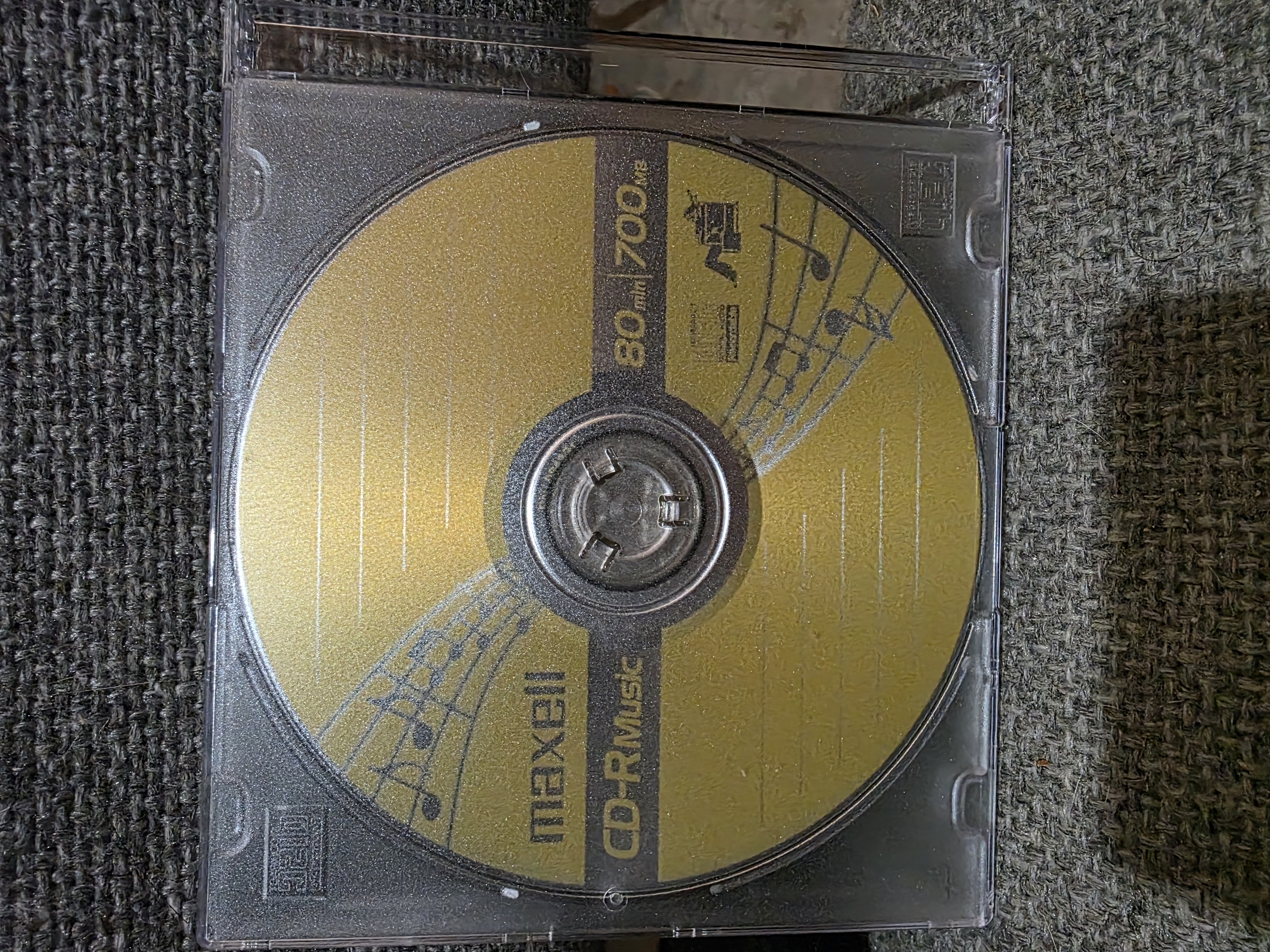
-
Music publishing is the business of managing, promoting, and monetizing a song's composition, which includes the lyrics and melody, not the recorded version. Publishers help songwriters collect royalties from uses like streaming, radio play, and sync licenses for film or TV, and they often handle copyright registration and administration for a percentage of the earnings. Songwriters can also manage their own publishing rights and collect all royalties by registering their work with performing rights organizations (PROs) and the U.S. Copyright Office. Key aspects of music publishing
Composition vs. Master: Publishing is distinct from the master recording, which is the actual sound recording and is typically owned by a record label.
Monetization: Publishing income comes from a song's use, including royalties from streaming, physical sales, and performance rights for public broadcasts or performances. It also includes sync licenses for use in TV, film, ads, and games.
Role of a publisher: A music publisher represents the composition to generate revenue. Their services include licensing, royalty collection, and promoting the song to artists, film, and television.
Songwriter control: Songwriters can choose to represent themselves or use a publisher.
Self-publishing: To do this, songwriters must register their work with PROs like ASCAP or BMI and the U.S. Copyright Office to collect royalties directly.
Using a publisher: Publishers offer their networks and expertise in exchange for a percentage of the royalties. Common deal structures include standard, co-publishing, and administration deals.